California offers $100 million to rescue its struggling legal marijuana industry

Los Angeles Times 14 June 2021
The California Legislature on Monday approved a $100-million plan to bolster California’s legal marijuana industry, which continues to struggle to compete with the large illicit pot market nearly five years after voters approved sales for recreational use.

Los Angeles will be the biggest beneficiary of the money, which was proposed by Gov. Gavin Newsom to be provided as grants to cities and counties to help cannabis businesses transition from provisional to regular licenses.

“California voters approved Proposition 64 five years ago and entrusted the Legislature with creating a legal, well-regulated cannabis market,” said Assemblyman Phil Ting (D-San Francisco), the chairman of the Assembly Budget Committee. “We have yet to reach that goal.”

Many cannabis growers, retailers and manufacturers have struggled to make the transition from a provisional, temporary license to a permanent one renewed on an annual basis — a process that requires a costly, complicated and time-consuming review of the negative environmental effects involved in a business and a plan for reducing those harms.

As a result, about 82% of the state’s cannabis licensees still held provisional licenses as of April, according to the governor’s office.

The funds, including $22 million earmarked for L.A., would help cities hire experts and staff to assist businesses in completing the environmental studies and transitioning the licenses to “help legitimate businesses succeed,” Ting said.

The grant program is endorsed by Los Angeles Mayor Eric Garcetti, who said in a letter to legislators that the money is “essential in supporting a well-regulated, equitable, and sustainable cannabis market.”

Separately, the governor wants to give cannabis businesses a six-month extension beyond a Jan. 1 deadline to transition from provisional licenses by complying with mandates of the California Environmental Quality Act. That extension, which faces opposition for delaying promised environmental safeguards, was not included in the state budget bill approved Monday and is still being negotiated with lawmakers.

The governor’s proposal to extend provisional licenses has drawn objections from a coalition of seven environmental groups including Sierra Club California, Defenders of Wildlife and the Nature Conservancy.

They said in a letter to Newsom that the proposal allowing the extension of provisional licenses and interim alternatives to CEQA rules goes against what voters were promised and is “wholly inadequate to protect local communities and the environment.”

At the same time, industry officials say the governor’s proposals do not go far enough in helping businesses struggling to stay open with provisional licenses while meeting what they see as burdensome rules under the state’s environmental regulations.

“It is a significant amount of money, but I don’t know that it actually answers the problem of provisional licenses making it through CEQA analysis in a timely manner to get an annual license,” said Jerred Kiloh, president of the United Cannabis Business Assn.

He said delays in cities adopting rules, their limited staffing and lack of resources by cannabis firms mean some face two to four years to get through the licensing process. Many would face the prospect of shutting down, at least temporarily, if they don’t get a regular license by current state deadlines, Kiloh said.

California voters paved the way for state licensing of cannabis stores, farms, distributors and testing when they approved Proposition 64 in 2016. State officials initially expected to license as many as 6,000 cannabis shops in the first few years, but permits have been issued only for 1,086 retail and delivery firms.

In 2019, industry officials estimated there were nearly three times as many unlicensed businesses as ones with state permits. Although some industry leaders believe enforcement has reduced the number of illegal pot shops, a study in September by USC researchers estimated unlicensed retailers still outnumbered those that were licensed.

Supporters of legalization blame the discrepancy on problems that they say include high taxes on licensed businesses, burdensome regulations and the decision of about three-quarters of cities in California not to allow cannabis retailers in their jurisdictions.
READ MORE: https://www-latimes-com.cdn.ampproject.org/c/s/www.latimes.com/california/story/2021-06-14/california-struggling-marijuana-industry-cash-grants-budget?_amp=true

Little Support For Decriminalising All Drugs – Poll

Media Release 15 June 2021
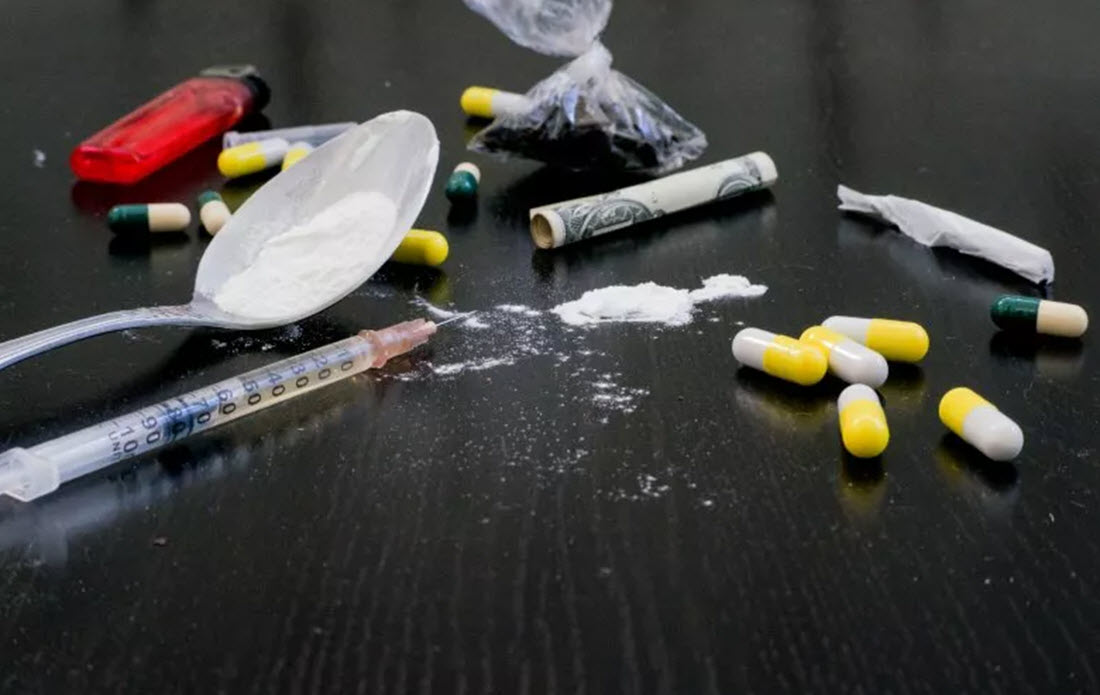
A new poll has found that there is very little support for the decriminalisation of all drugs such as P (meth), MDMA and cocaine. Support for decriminalising cannabis remains at similar levels to the Yes vote in the recent referendum

In the poll of 1,000 New Zealanders surveyed last month by Curia Market Research, respondents were asked: Last year, the majority of NZers voted no to legalising cannabis for recreational use. But there have been recent calls to still make changes to the drug laws in some way. Of the following three options, which do you support the most?

  • Keep the current drug laws which were amended in 2019. The current law specifies that while drugs remain illegal, consideration should be given to whether a health approach is more beneficial when determining whether a prosecution is required in the public interest for personal drug possession and use, and that the Police focus on drug dealers and manufacturers.
  • Decriminalise the use and possession of cannabis only, but not other drugs
  • Decriminalise the use and possession of ALL drugs, including P (Meth), MDMA, cocaine, cannabis

Only 8% support the decriminalisation of all drugs. 48% support the decriminalisation of cannabis alone (similar to the cannabis legalisation referendum result).

Even amongst the under-30s there was small support for decriminalising all drugs (just 7%). Over 60s most support the status quo.

Of those who voted no in the referendum on legalisation, 61% support the status quo. 19% support cannabis decriminalisation, 5% decriminalisation of all drugs and 15% are unsure. Of those who voted yes, 7% support the status quo. 73% support cannabis decriminalisation, but only 11% decriminalisation of all drugs.

National voters back the status quo, while Labour voters back decriminalisation of cannabis. Green and ACT voters are more likely to support decriminalising of all drugs but still in small proportion (25% and 21% respectively).

The 2021 Salvation Army State of the Nation report showed that prosecutions for cannabis have declined by 70% since 2010. However, international studies also show that convictions and/or imprisonment for drug-related offences are linked to crimes committed while on drugs (murder, armed robbery, theft, assault, child abuse, etc.) or crimes committed in order to obtain drugs. Public safety and health should take priority – the law acts as a deterrent.

report published last year – Decriminalising Drugs: The Truth About Portugal – written on behalf of the Swedish Drug Policy Centre makes it clear that Portugal’s 2001 reforms were more far-reaching than just the abolition of penalties for using and possessing small quantities of drugs. Above all, they included major efforts including resources for primary prevention, funding for civil society projects, social housing, rehabilitation and substitution therapy. The care efforts in Portugal draw on prompt action and good coordination between the various health services. Someone dependent on drugs and arrested by the police will appear before a CDT (Commission for the Dissuasion of Drug Abuse) within three days and will often have an initial appointment with an addiction specialist within a week.

This is a good example of the ‘coercion of the law’. It’s both a health and a criminal issue. However, the Portugal report also warns that the number of hospital admissions for cannabis-related psychosis increased almost 30 times between 2000 and 2015. Researchers have found no fall in drug-related violence since the decriminalisation in 2001. The latest figures on drug-related mortality show that Portugal is now back at almost the same level as before decriminalisation. There is also a concern that decriminalisation risks sending signals that promote increased use. Studies suggest that cannabis use has increased among the adult population. As the head of the Portuguese drug agency, SICAD, João Goulão, said, “Decriminalisation is not a miracle cure. If that’s all you do, things will get worse.”

Decriminalisation can only hope to work when there is access to enough addiction counselling and support, and Mike King is clearly warning us that there isn’t.

The nationwide poll which was commissioned by Family First NZ was carried out during May and has a margin of error of +/- 3.1%.
READ THE FULL POLL RESULTS
ENDS

MDMA soaring in popularity in New Zealand, making its way into high schools

NewsHub 6 June 2021
There are more ‘party drugs’ in New Zealand than ever before and some are making their way into our high schools.

The amount of MDMA, GHB, ketamine and LSD seized by police and Customs has shot up significantly over the past two years.

LSD or ‘acid’ tabs seizures went up 30 percent compared to 2019.

Nearly twice the amount of GHB – also known as ‘fantasy’ or ‘liquid ecstasy’ – was collected by police and Customs in 2020 and seizures of ketamine also more than doubled.

But it appears the party drug of choice for Kiwis is MDMA.

More than a million pills were seized by police and Customs in 2020 and the latest wastewater data indicates we’re consuming almost the same amount of MDMA a week as we are methamphetamine.

Police say some view it as a softer drug, without the gang connections and stigma associated with methamphetamine.

“I think we’re seeing somewhat of a ‘culture shift’ that MDMA is now seen as a socially acceptable drug to use,” explains Deputy Inspector Blair MacDonald.

The amount of MDMA seized by authorities from 2018 to 2019 increased by 560 percent.
READ MORE: https://www.newshub.co.nz/home/new-zealand/2021/06/mdma-soaring-in-popularity-in-new-zealand-making-its-way-into-high-schools.html

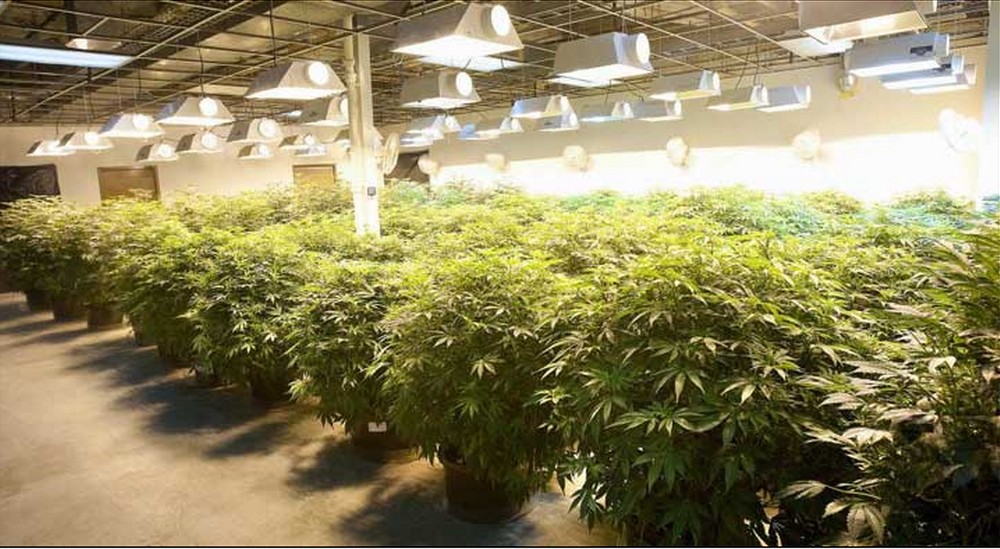
Cannabis has a carbon problem

High Country News 31 May 2021
Location, location, location: That’s the deciding factor when it comes to the size of marijuana cultivation’s carbon footprint, according to a new study out of Colorado State University.

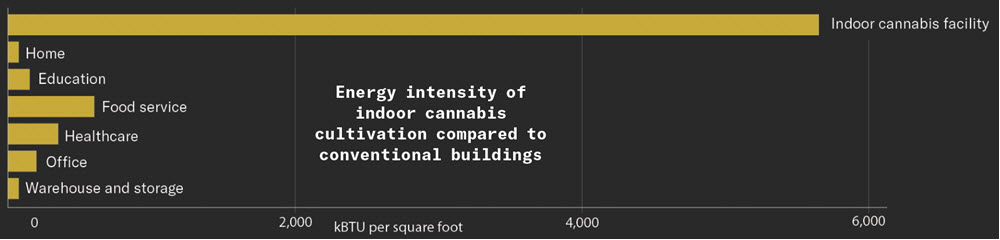
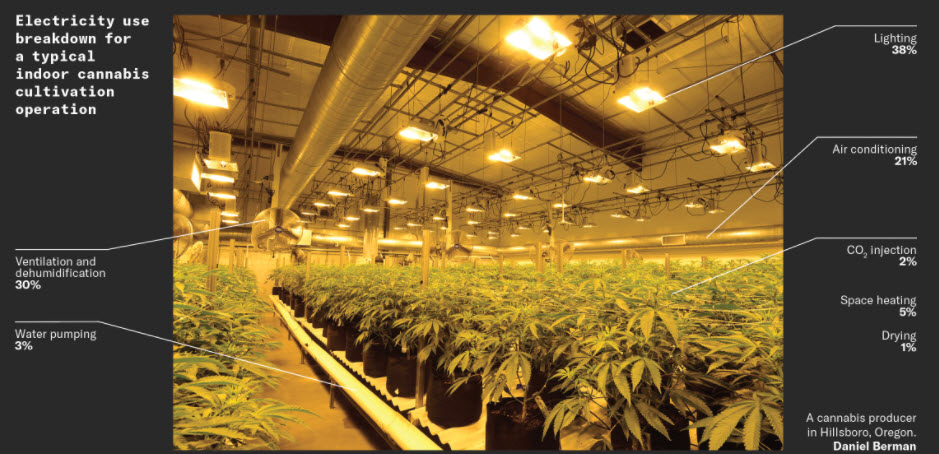
The paper’s authors, led by Hailey Summers, confirmed previous findings that indoor pot-growing gobbles up huge amounts of electricity and can cause high greenhouse gas emissions. Their research also quantifies emission differences from place to place: A kilogram of cannabis cultivated in Long Beach, California, for example, has a smaller carbon footprint than one grown in Denver, Colorado.

The reason? More energy is required to keep the indoor temperature and humidity at optimum levels in very cold or hot places than in more temperate areas. And California’s grid is virtually coal-free, while the power grid in Colorado and other Interior West states relies heavily on coal and natural gas, both of which emit large amounts of greenhouse gases.

CALIFORNIA
2,283: 
 Kilograms of carbon emissions from growing one kilogram of cannabis in Long Beach, California.Kaneohe Bay, Hawaii, respectively, the lowest and highest in the United States. Power generation in Hawaii is mostly fueled by oil.

COLORADO
733,200 mwh: 
Estimated yearly electricity consumption by Colorado’s marijuana cultivators.
76,400: Estimated number of Colorado households that amount of energy could power for a year.
41,808 kwh: Monthly electricity consumption by a 5,000-square-foot grow facility in Boulder County. The average Colorado home uses about 800 kilowatt hours per month.

22 miles (35k) you could drive in a Prius on the amount of energy used to produce a one-gram joint.
READ MORE: https://www.hcn.org/issues/53.6/infographic-marijuana-cannabis-has-a-carbon-problem


Pot commercialization tied to self-harm by younger men, study suggests

Scope Stanford Medicine 16 April 2021
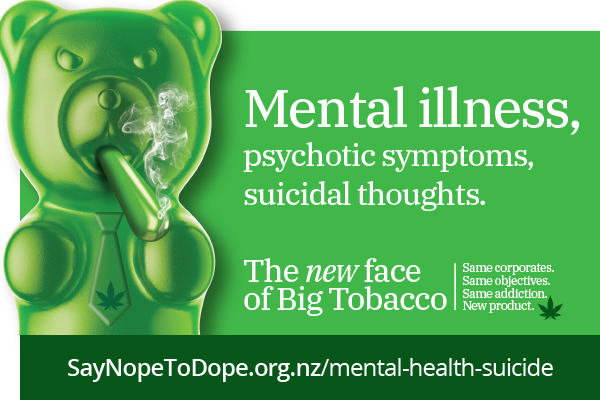
States that legalize recreational marijuana use, and in some cases allow retail sales of the drug, may see more suicide attempts and other self-harm among younger men, a new Stanford Medicine study suggests.

Researchers examined whether rates of self harm injuries — which include suicide attempts and non-suicidal behaviors like cutting — correlate with changing marijuana laws and found an increase among men younger than 40 in states that allow recreational use. The study indicated no such correlation with states that allow only medical marijuana use.

“States that legalize, but still constrain commercialization, may be better positioned to protect populations from unintended harms,” said Keith Humphreys, PhD, professor of psychiatry and behavioral sciences. Humphreys is the senior author of the study published March 18 in JAMA Network OpenEllicott Matthay, PhD, a post doctoral scholar at UC-San Francisco, is lead author.

Humphreys, who worked as senior policy adviser for the White House Office of National Drug Control Policy from 2009-2010 under the Obama administration, said that there is little research available on the health effects of the legalization of the recreational use of marijuana.

In certain states, including California, he said, this allows the opening of for-profit dispensaries that sell unregulated varieties ostrains and dosages of the drug. The study showed that in states that legalized recreational marijuana use and have robust retail operations, there was an associated 46% increase in self-harm injuries among 21- to 39-year-old men.
READ MORE: https://scopeblog.stanford.edu/2021/04/16/pot-commercialization-tied-to-self-harm-by-younger-men-study-suggests/

READ THE FULL RESEARCH https://jamanetwork.com/journals/jamanetworkopen/fullarticle/2777634

Local politicians fuming over Cannabis Act enforcement gaps

Orillia News 28 April 2021
According to County of Simcoe councillors, Cannabis Act enforcement is going to pot.

During Tuesday’s committee of the whole meeting, many councillors expressed dismay with recent correspondence sent to the County of Simcoe from Health Canada in response to concerns raised by the county over the Cannabis Act as it currently exists.

“Health Canada claims…that processes need to be followed. There’s a tremendous gap between the communications they have and what is actually happening out there,” said Oro-Medonte Township Mayor Harry Hughes.

At the end of 2020, county councillors voted in favour of sending a letter to Health Canada outlining their concerns with the enforcement of the Cannabis Act.

At that time, councillors asked the federal agency to consider amending the rules around commercial and personal production of cannabis to address problems being felt in rural areas across the county such as noise, odours and enforcement.
READ MORE: https://www.orilliamatters.com/local-news/local-politicians-fuming-over-cannabis-act-enforcement-gaps-3672438

Drugs: No. of people charged per month dropping dramatically; less bias against Māori

NZ Herald 11 May 2021
Police appear to have made a concerted effort to charge fewer drug users to close the gap in their treatment of Māori in the months since the election.

Frontline officers also appear to be offering more health referrals, though the proportion of those engaging with health services remains less than 3 per cent of all those who face drug use/possession charges as their most serious offence.

This follows a message from Health Minister Andrew Little after the cannabis referendum that people should almost automatically not be charged but given a health referral if their most serious offence was drug use/possession.

New police data released to the Herald under the Official Information Act shows how police have used their discretion from November last year to February this year.

Of those facing the possibility of being charged with drug use/possession as their most serious offence, one in five people – or 20 per cent – was charged.

The proportion with respect to cannabis dropped to one in 10 people, while more than half (54 per cent) were charged for methamphetamine.

Police also appear to be making more of an effort to treat Māori and non-Māori the same, though they are still more likely to be charged; 22 per cent of Māori were charged overall, while 12 per cent of Māori were charged for cannabis and 56 per cent were charged with having methamphetamine.

Frontline officers were already trending towards charging fewer people before the election, but in recent months they also appear to be encountering fewer people with drugs.

Both of these factors contributed to far fewer people being charged – 56 people a month – in recent months with drug use/possession as their most serious offence. Before a key change to drug laws in August 2019, it was about 130 people a month.

These trends in police data are similar to those in Ministry of Justice data, which showed 580 convictions for drug use/possession only in 2020 – a 37 per cent reduction compared to the 920 convictions in 2018.
READ MORE: https://www.nzherald.co.nz/nz/politics/drug-law-impact-revealed-number-of-people-charged-per-month-dropping-dramatically-less-bias-against-maori/WQBN5JSLNN5XTN4HYZAFUT7XSE/#

Cannabis and public health—a need to reclaim the narrative

Springer Link 15 March 2021
Across Europe, cannabis has become the drug most likely to cause people to seek out addiction treatment, and a recent survey of drug related emergency department attendances across 27 sentinel hospitals in 19 European countries found that cannabis was the drug most likely to precipitate such attendances, surpassing drugs such as cocaine and heroin.

Sadly, this significant and escalating public health crisis related to cannabis use in Ireland has received remarkably little attention. The national conversation has been unhelpfully dominated by the campaign which has pushed for cannabis to be recognized as a “medicine.” Such campaigns soften up public opinion toward cannabis and cause confusion among young people about cannabis-related risks. Apart from the use of cannabidiol in the treatment of severe forms of childhood epilepsy, the evidence that cannabis related products have therapeutic properties is extremely weak. A recent scoping review of 72 systematic reviews found no good evidence that cannabis-related products have therapeutic efficacy for management of pain, spasticity, or nausea and vomiting and indeed found that they may be more likely to produce adverse effects. A systematic review of cannabis-related products for treatment of mental health conditions found no convincing evidence for efficacy.

Despite the lack of scientific evidence for efficacy, chronic pain is by far the most common reason for dispensing of cannabis-based products in other countries, In addition, campaigners will demand an end to the current restriction which limits “prescribing” to specialists as the experience in Canada and elsewhere was that most doctors did not wish to prescribe plants such as cannabis. The regime in Canada became so loose after decades of campaigning and litigation that any doctor could recommend these products to any patient for any reason.

There is a need for the Department of Health to reclaim the narrative on cannabis, and to avoid “own goals” such as calling it “medical” or “medicinal.” The medical profession should involve themselves more in this discourse and ensure that the drug policy in Ireland is truly health-led in practice.
READ MORE: https://link.springer.com/article/10.1007/s11845-021-02570-x

Cannabis: Labour, National quash Green MP Chlöe Swarbrick’s hope for ‘green fairy’ amnesty

NewsHub 6 May 2021
Labour and National have quashed Green MP Chlöe Swarbrick’s push to grant amnesty for ‘green fairies’, those who illegally supply cannabis to people with health issues.

Swarbrick wrote to Health Minister Andrew Little advocating on behalf of TV presenter Katy Thomas, whose severely epileptic 6-year old son’s legal medicinal cannabis was confiscated and destroyed at the border because the CBD level was a fraction too high.

Swarbrick also asked Little to consider an amnesty for ‘green fairies’ who risk a prison sentence to provide relief to their communities. A Waikato man giving cannabis free to elderly people for pain relief was recently raided and charged by police.

But Little confirmed he has no plans to grant amnesty to green fairies, despite the unaffordability of legal products. National Party justice spokesperson Simon Bridges also poured cold water on the prospect.

“Conservative groups, the likes of Family First, decided to start painting it as ‘grow your own’ and that’s exactly why we’ve ended up with this highly pharmaceutical approach, with huge cost barriers to patients getting access to this medicine, because we’re treating it in the same way we treat things like morphine.”

Family First supported National Party deputy leader Dr Shane Reti’s unsuccessful medicinal cannabis Bill in 2018 that would have facilitated pharmacist dispensing but would have excluded loose leaf cannabis.

Family First’s Bob McCoskrie told Newshub he found it ironic the Greens voted against Dr Reti’s Bill which “would have sped up the process and increased the availability of product”.

“We don’t allow chemists to distribute illegal drugs willy-nilly.”

Swarbrick responded: “You only have to look at Family First’s anti-science, moral high-horsing history of telling people how to live their lives – what they can do with their bodies and who they’re allowed to love – to understand where these views come from.”
READ MORE: https://www.newshub.co.nz/home/politics/2021/05/cannabis-labour-national-quash-green-mp-chl-e-swarbrick-s-hope-for-green-fairy-amnesty.html


‘GRAVEST THREAT’ Cannabis related admissions to psychiatric hospitals increase by 250 per cent since 2007 as experts issue stark warning Craig Farrell

The Irish Sun 4 May 2021
CANNABIS-related admissions to psychiatric hospitals here have increased by 250 per cent since 2007 – as experts warn that the drug “represents the gravest threat to young Irish people’s mental health today”.

The College of Psychiatrists of Ireland (CPsychI) believe that the combination of increasingly potent strains and a perception that the drug is generally harmless, have had devastating effects.

There are an estimated 45,000 young adults – 15 to 34yrs – in Ireland who meet criteria for cannabis dependence.

In 2019, cannabis was the main substance for 71 per cent of those under 18s attending addiction treatment in Ireland.

CANNABIS CORRELATION

Child addiction specialist Dr Gerry McCarney said he is concerned that the strength of the drug has reached a point where it’s causing young people to become more paranoid, more quickly.

The consultant child and adolescent addiction psychiatrist said: “We are seeing an increasing rate of difficulty coping by young people who are using a lot of cannabis.

“This can result in frequent presentations with low mood, suicidal ideation, increasing self-harm, anxiety disorders, clinical depression, and for a smaller number increasing paranoia and quite significant psychotic symptoms.”
READ MORE: https://www.thesun.ie/news/6939424/cannabis-admissions-psychiatric-hospitals-increase/